
Today's LA Times reports on work to create a regional food system which would connect low income residents to local food. LA county health authorities currently estimate that 40% of middle school children are obese and that access to fresh, unprocessed food could help trim obesity numbers significantly.
Check out the link www.latimes.com/health/la-me-food-policy-20101004,0,1799173.story
October 4, 2010

September 29, 2010
Iridescent Design Challenge

Participate in the I IMAGINE. I INVENT. I ENGINEER. challenge Saturday, October 16th. Designs due October 13th. For more information go to www.iridescentlearning.org
June 27, 2010
Garden to Table
 Congratulations to all our recent 8th grade graduates and our continuing OCS students. The year is over and summer break is finally here. While it's tempting to kick back and let the Beanstalk go on vacation too, there are still things happening around our neighborhood that are worthy of a quick post now and again.
Gardens in Altadena flourish in their own microclimate. Abutting the foothills of the San Gabriel mountains, we enjoy cooler, foggier springtimes, wetter winters and hotter summer evenings. This means that gardens, especially vegetable gardens, mature at a "local" pace. Most of our Odyssey neighbors have lots of green tomatoes, but no red ones quite yet. The chili peppers are taking their time and even the pattypan, zucchini and yellow squashes are only now getting ready to harvest.
But if you've planted greens like mustard, collard, kale and swiss chard, you're facing a bumper crop. These cut-and-come-again plants have done really well in our cooler "june gloom" weather. A mess of greens, classically prepared with bacon, onions and a handful of black eyed peas, is always delicious, especially when there is a wedge of cornbread and some sauteed sweet potatoes to go along. But feel free to experiment. I'm posting a truly delicious recipe from Algerian blogger extraordinaire Warda at her 64 square foot kitchen website.
She has added smoked paprika to this dish, which adds a distinctly mesmerizing flavor. It's a spice worth seeking out. While Warda has used Kale here, any type of greens would be fine. Fresh greens from the garden cook surprisingly fast so you can go from garden to table in 30 minutes or less. Just add toasted pita and maybe a bit of marinated feta on the side and dinner is served.
Sautéed Kale with Cumin and Smoked Paprika
Recipe: serves 4
- 1 bunch Kale (about 1 pound/500g)
- 2 tbsp extra virgin olive oil
- 1 medium onion, chopped
- 2 cloves garlic
- 1 cup/250ml parsley sprigs, tightly packed
- 1/2 cup/ 125ml fresh coriander, tightly packed
- 1 tsp freshly ground cumin
- 1/4 tsp smoked paprika
- 1 tbsp plain yogurt
- Salt, black pepper
- lemon wedges
- Oil cured black olives
Strip the kale leaves off their stems and cut away the tough midribs of any large leaves. Chop finely and wash in plenty of water. Drain well.
Chop and pound the parsley, coriander, garlic and 1/4 tsp salt to a paste in a mortar or a food processor.
Heat a large sauté pan and add olive oil and the chopped onion. Cook until translucent, about 5 minutes. Add the herb paste. Cook 2 minutes stirring and without burning, then add the kale, cumin and smoked paprika, stir to combine, and cover the pan. Cook for 15 minutes, or until the greens are tender. When they are tender, remove the lid and allow any excess water to evaporate. Turn off the heat and stir in the yogurt.
Serve with bread, cured black olives, or any of your favorite olives, and wedges of lemon to squeeze to taste.
- 1 bunch Kale (about 1 pound/500g)
- 2 tbsp extra virgin olive oil
- 1 medium onion, chopped
- 2 cloves garlic
- 1 cup/250ml parsley sprigs, tightly packed
- 1/2 cup/ 125ml fresh coriander, tightly packed
- 1 tsp freshly ground cumin
- 1/4 tsp smoked paprika
- 1 tbsp plain yogurt
- Salt, black pepper
- lemon wedges
- Oil cured black olives
Strip the kale leaves off their stems and cut away the tough midribs of any large leaves. Chop finely and wash in plenty of water. Drain well.
Chop and pound the parsley, coriander, garlic and 1/4 tsp salt to a paste in a mortar or a food processor.
Heat a large sauté pan and add olive oil and the chopped onion. Cook until translucent, about 5 minutes. Add the herb paste. Cook 2 minutes stirring and without burning, then add the kale, cumin and smoked paprika, stir to combine, and cover the pan. Cook for 15 minutes, or until the greens are tender. When they are tender, remove the lid and allow any excess water to evaporate. Turn off the heat and stir in the yogurt.
Serve with bread, cured black olives, or any of your favorite olives, and wedges of lemon to squeeze to taste.
June 22, 2010
Herbs and Health
Right about now OCS families are starting to harvest fresh tomatoes, squash and peppers from their own front or back yards veggie patches. That superfresh produce is tossed into salads, laid on the grill or briefly added to saute pans to create dishes yielding the quintessential flavors of summer. While we all plant primarily to enjoy the just picked flavors of summer produce, we can't forget that some plants, especially herbs, are also good for our health in more mysterious ways. Herbs, often misidentified as simple weeds, have a long culinary and medicinal history.
Wild herbs were used as healing remedies long before records were kept—Otzi, the 5,300-year-old Iceman found in the Alps in 1991, had medicinal mushrooms among his personal effects—and they’ve been an integral part of Eastern medicine for centuries. Today modern medicine is beginning to realize that herbs may ease the symptoms of many ailments, from the common cold to arthritis, because they contain important health-promoting compounds such as antioxidants and anti-inflammatories.
Growing your own herbs is easy and fun, and the fresh leaves are more potent than dried ones. All you need are some pots, soil, and a sunny spot. Here are five gentle but effective herbs that are ideal for amateur gardeners—they’re simple to grow and will thrive in just about any environment. Better yet, they have few side effects when consumed in small amounts, and you can take them with most pharmaceutical or over-the-counter drugs. If you’re on blood thinners or have a serious condition, consult your doctor first.
Peppermint
First cultivated near London in 1750, peppermint has been shown to be an effective remedy for indigestion. “It calms the muscles of the digestive tract to alleviate intestinal gas and cramping,” says Tieraona Low Dog, M.D., director of the Arizona Center for Integrative Medicine in Tucson. A cup of warm peppermint tea may also thin mucus, loosen phlegm, and soothe sore throats. Apply it topically to take the itch out of bug bites or to ease muscle cramps, arthritis, and headaches.
Growing tip: Snipping can begin two to three weeks after a plant is established. Be sure not to strip the stem bare or you’ll compromise the plant. Remember that peppermint is part of the mint family of herbs and as such, can be invasive when planted directed into the garden. You can either tuck it into a spot with lots of room, or plant it in pot filled with well loose soil. Health Benefits: Settles upset stomach; eases muscle cramps
Lemon balm
Arab doctors in the 9th and 10th centuries called lemon balm the gladdening herb and prescribed it to dispel anxiety and heart palpitations. More recently, a panel of physicians, pharmacologists, and scientists appointed by the German Ministry of Health endorsed the herb for relieving tension, anxiety, and restlessness. There’s also evidence of cognitive benefits. In a small study published in Neuropsychopharmacology, 20 healthy young adults reported increased memory and improved mood after ingesting lemon balm. Another study found similar results among Alzheimer’s patients.
Growing tip: Like peppermint, lemon balm is fast growing. If you plant it in your garden rather than in a pot, be sure to give it a lot of space. Health Benefits: Dispels anxiety; improves mood. Lemon balm can be steeped for a light and delicious herbal tea. It can also be added to cool summer drinks.
Rosemary
Rosemary thrives in southern California, in a climate similar to its roots in the Mediterranean. The use of rosemary as a memory enhancer dates back at least to early Western civilization. Greek students wore garlands of rosemary around their heads, and students in Rome massaged their temples and foreheads with the herb prior to exams. The herb can also reduce joint pain. To make a topical ointment, soak rosemary needles in almond oil for two weeks, filter, then rub the oil onto sore joints as needed.
Growing tip: Rosemary is best grown from a plant and performs well in a container or directly sown into the earth where it can grow even in poor soil. Health Benefits: Increases memory; reduces joint pain
Valerian
Used throughout history as a sedative and sleep aid, valerian gets its name from the Latin valere, which means “to be in good health.” Just the smell alone of the sweetly scented plant is enough to put some people out. Research conducted on 16 insomniacs at Humboldt University of Berlin, in Germany, found valerian extract helped them nod off faster and improved the quality of their sleep.
Growing tip: When valerian is used for medicinal purposes, cut the flowers as soon as they appear (otherwise, they take energy from the leaves). Opt for the Valeriana officinalis variety, which can be used medicinally.Health Benefits: Acts as sleep aid; has sedative effects
Sage
Research conducted at the Allergy Clinic in Landquart, Switzerland, last year found that sage combined with echinacea was as effective as the painkiller lidocaine in relieving sore throat pain. Plus, studies show that the herb’s bacteria-fighting heft makes it a potent breath freshener. To make sage mouthwash, steep 1 tablespoon sage leaves in 1 cup of hot water for 5 minutes. Strain and gargle.
Growing tip: Sage is best started from a plant, because it can take up to a year to establish itself. The best medicinal variety is Salvia officinalis.Health Benefits: Eases sore throats and freshens breath nicely.
Wild herbs were used as healing remedies long before records were kept—Otzi, the 5,300-year-old Iceman found in the Alps in 1991, had medicinal mushrooms among his personal effects—and they’ve been an integral part of Eastern medicine for centuries. Today modern medicine is beginning to realize that herbs may ease the symptoms of many ailments, from the common cold to arthritis, because they contain important health-promoting compounds such as antioxidants and anti-inflammatories.
Growing your own herbs is easy and fun, and the fresh leaves are more potent than dried ones. All you need are some pots, soil, and a sunny spot. Here are five gentle but effective herbs that are ideal for amateur gardeners—they’re simple to grow and will thrive in just about any environment. Better yet, they have few side effects when consumed in small amounts, and you can take them with most pharmaceutical or over-the-counter drugs. If you’re on blood thinners or have a serious condition, consult your doctor first.
Peppermint
First cultivated near London in 1750, peppermint has been shown to be an effective remedy for indigestion. “It calms the muscles of the digestive tract to alleviate intestinal gas and cramping,” says Tieraona Low Dog, M.D., director of the Arizona Center for Integrative Medicine in Tucson. A cup of warm peppermint tea may also thin mucus, loosen phlegm, and soothe sore throats. Apply it topically to take the itch out of bug bites or to ease muscle cramps, arthritis, and headaches.
Growing tip: Snipping can begin two to three weeks after a plant is established. Be sure not to strip the stem bare or you’ll compromise the plant. Remember that peppermint is part of the mint family of herbs and as such, can be invasive when planted directed into the garden. You can either tuck it into a spot with lots of room, or plant it in pot filled with well loose soil. Health Benefits: Settles upset stomach; eases muscle cramps
Lemon balm
Arab doctors in the 9th and 10th centuries called lemon balm the gladdening herb and prescribed it to dispel anxiety and heart palpitations. More recently, a panel of physicians, pharmacologists, and scientists appointed by the German Ministry of Health endorsed the herb for relieving tension, anxiety, and restlessness. There’s also evidence of cognitive benefits. In a small study published in Neuropsychopharmacology, 20 healthy young adults reported increased memory and improved mood after ingesting lemon balm. Another study found similar results among Alzheimer’s patients.
Growing tip: Like peppermint, lemon balm is fast growing. If you plant it in your garden rather than in a pot, be sure to give it a lot of space. Health Benefits: Dispels anxiety; improves mood. Lemon balm can be steeped for a light and delicious herbal tea. It can also be added to cool summer drinks.
Rosemary
Rosemary thrives in southern California, in a climate similar to its roots in the Mediterranean. The use of rosemary as a memory enhancer dates back at least to early Western civilization. Greek students wore garlands of rosemary around their heads, and students in Rome massaged their temples and foreheads with the herb prior to exams. The herb can also reduce joint pain. To make a topical ointment, soak rosemary needles in almond oil for two weeks, filter, then rub the oil onto sore joints as needed.
Growing tip: Rosemary is best grown from a plant and performs well in a container or directly sown into the earth where it can grow even in poor soil. Health Benefits: Increases memory; reduces joint pain
Valerian
Used throughout history as a sedative and sleep aid, valerian gets its name from the Latin valere, which means “to be in good health.” Just the smell alone of the sweetly scented plant is enough to put some people out. Research conducted on 16 insomniacs at Humboldt University of Berlin, in Germany, found valerian extract helped them nod off faster and improved the quality of their sleep.
Growing tip: When valerian is used for medicinal purposes, cut the flowers as soon as they appear (otherwise, they take energy from the leaves). Opt for the Valeriana officinalis variety, which can be used medicinally.Health Benefits: Acts as sleep aid; has sedative effects
Sage
Research conducted at the Allergy Clinic in Landquart, Switzerland, last year found that sage combined with echinacea was as effective as the painkiller lidocaine in relieving sore throat pain. Plus, studies show that the herb’s bacteria-fighting heft makes it a potent breath freshener. To make sage mouthwash, steep 1 tablespoon sage leaves in 1 cup of hot water for 5 minutes. Strain and gargle.
Growing tip: Sage is best started from a plant, because it can take up to a year to establish itself. The best medicinal variety is Salvia officinalis.Health Benefits: Eases sore throats and freshens breath nicely.
June 18, 2010
Still Life
 Just posting a beautiful image taken by parent Karen Merchant of the classroom snack baskets prepared by parents during the STAR testing week(s). Thank you all so much for your help.
June 9, 2010
In Fair Verona Where We Lay our Scene
Please join us in the Odyssey courtyard this Friday (4PM) and Saturday (5PM) for a reading of "The Most Excellent and Lamentable Tragedy of Romeo and Juliet" a play by Mr. William Shakespeare presented by Mr. Bilandzjia's 7th and 8th grade English class. There will be snacks for sale, perhaps even oranges sold by comely maids.

June 3, 2010
Don't Mind If I Do
OK bakers, here is a super scrumptious recipe contributed by parent Karen Merchant. The dates and oats in the mixture should fix you right up!
Date Oatmeal Bars
1 1/2 cups Regular oats -- uncooked
1 1/2 cups All-purpose flour
1/4 teaspoon Baking soda
1/4 teaspoon Salt
1 cup Firmly packed brown sugar
3/4 cup butter
2 (8-ounce) packages whole pitted dates
1 cup Water
1/2 cup Sugar
1 teaspoon vanilla or maple extract
Combine first 5 ingredients in a medium bowl. Cut in shortening with pastry blender until mixture resembles coarse meal. Reserve 1 cup crumb mixture for topping.Press remaining mixture into an ungreased 13- x 9- x 2-inch pan.Chop dates. Combine dates, water, and sugar in a saucepan. Bring to a boil; reduce heat, and simmer 1 minute, stirring constantly. Add vanilla or maple extract. Spread date mixture over crumb mixture. Sprinkle with reserved 1 cup crumb mixture. Bake at 350 degrees for 25 to 30 minutes. Cool and cut into squares. Makes about 4 dozen date bars.
Date Oatmeal Bars
1 1/2 cups Regular oats -- uncooked
1 1/2 cups All-purpose flour
1/4 teaspoon Baking soda
1/4 teaspoon Salt
1 cup Firmly packed brown sugar
3/4 cup butter
2 (8-ounce) packages whole pitted dates
1 cup Water
1/2 cup Sugar
1 teaspoon vanilla or maple extract
Combine first 5 ingredients in a medium bowl. Cut in shortening with pastry blender until mixture resembles coarse meal. Reserve 1 cup crumb mixture for topping.Press remaining mixture into an ungreased 13- x 9- x 2-inch pan.Chop dates. Combine dates, water, and sugar in a saucepan. Bring to a boil; reduce heat, and simmer 1 minute, stirring constantly. Add vanilla or maple extract. Spread date mixture over crumb mixture. Sprinkle with reserved 1 cup crumb mixture. Bake at 350 degrees for 25 to 30 minutes. Cool and cut into squares. Makes about 4 dozen date bars.
May 7, 2010
Pasadena's Urban Homesteaders in "It ain't easy being green"
The show "It Ain't Easy Being Green" airs tonight at 7PM on the Food Network and features the Dervaes family farm in Pasadena. Watch as chefs take over the homestead to create a memorable meal for local food writers and critics. It's amazing to see what the Dervaes family grows especially the 8 foot long Tromboncino squash.
Family Sundays at LACMA
Parent Paula Solano wants to remind everyone that LACMA is free for families this month. Thank you Arts Committee!
Andell Family Sundays are on May 9, 16, 23, 30join LACMA for hands on, artist led activities for families. To register for this free program go to the Family Sundays Table on the museum plaza and get your *NexGen pass. This is located at 5905 Wilshire Blvd.LA 90036 or call NexGen at LACMA at 323-857-4737
*The NexGen Pass admits the child and one adult to LACMA free anytime!
Andell Family Sundays are on May 9, 16, 23, 30join LACMA for hands on, artist led activities for families. To register for this free program go to the Family Sundays Table on the museum plaza and get your *NexGen pass. This is located at 5905 Wilshire Blvd.LA 90036 or call NexGen at LACMA at 323-857-4737
*The NexGen Pass admits the child and one adult to LACMA free anytime!
April 27, 2010
Museums of the Arroyo
Save the Date: MOTA Day Happens on May 16, 2010
http://www.museumso fthearroyo. com/
It's fun, it's festive and it's only one day a year!
Join us for the 21st anniversary of Museums of the Arroyo Day, where five museums located along the Arroyo Seco in Los Angeles and Pasadena open their doors free of charge from 11 a.m. to 4 p.m. on May 16, 2010.
Each year, thousands of Angelinos have experienced the diverse mix of art, architecture and history of the Arroyo Seco area found in the six unique history-based museums that preserve and perpetuate early Los Angeles life.
The public can visit the MOTA museums during the day at no charge.
It's local, it's interesting and it's FREE!
http://www.museumso fthearroyo. com/
It's fun, it's festive and it's only one day a year!
Join us for the 21st anniversary of Museums of the Arroyo Day, where five museums located along the Arroyo Seco in Los Angeles and Pasadena open their doors free of charge from 11 a.m. to 4 p.m. on May 16, 2010.
Each year, thousands of Angelinos have experienced the diverse mix of art, architecture and history of the Arroyo Seco area found in the six unique history-based museums that preserve and perpetuate early Los Angeles life.
The public can visit the MOTA museums during the day at no charge.
It's local, it's interesting and it's FREE!
This year promises to bring bigger crowds, so visitors are advised to arrive early. We've added additional parking and you can easily use the Gold Line to get to MOTA Day, so click here for more information. Free and continuous shuttle service will also be available between museums.
We look forward to seeing you.
Visit MOTA museums FREE from 11 a.m. to 4 p.m. on May 16, 2010!
THE GAMBLE HOUSE
HERITAGE SQUARE
THE LOS ANGELES POLICE HISTORICAL SOCIETY MUSEUM
LUMMIS HOME AND GARDEN
PASADENA MUSEUM OF HISTORY
We look forward to seeing you.
Visit MOTA museums FREE from 11 a.m. to 4 p.m. on May 16, 2010!
THE GAMBLE HOUSE
HERITAGE SQUARE
THE LOS ANGELES POLICE HISTORICAL SOCIETY MUSEUM
LUMMIS HOME AND GARDEN
PASADENA MUSEUM OF HISTORY
Viva Poetry!
Join us for afternoons of poetry at the Lummis Day Library Series! Hear live poetry from Los Angeles poets and learn to write or improve your own poetry. All events are free and open to the public.
Saturday, May 8,
Special Start Time 3-5PM
@ The Eagle Rock Library
5027 Caspar Avenue, Los Angeles, CA 90041
Featuring Chiwan Choi and Candace Pearson with
special guest Mehnaz Turner
Saturday May 15, 2-4PM
@ The Arroyo Seco Regional Branch
6145 N. Figueroa Street, Los Angeles, CA 90042
liz gonzález, UCLA Extension Writers' Program instructor, will
lead a free poetry workshop for beginning and published
writers of all ages! Come tap into your imagination and begin a
new poem!
Chiwan Choi's first major collection of poems The Flood will be published by Tía Chucha Press this April and his work has appeared in ONTHEBUS, Esquire, Circa and American Book Jam.
Candace Pearson's manuscript Hour of Unfolding won the Liam Rector First Book Prize for Poetry and her work has appeared in Ploughshares, Crab Orchard Review, Borderlands and Texas Poetry Review.
liz gonzález' poetry and fiction have been in many publications and anthologies, including Women on the Edge: Fiction by L.A. Women Writers, Open Windows, and So Luminous the Wild Flowers.
Don't miss the wrap-up Open Reading
and 7 minute lecture "Poetry in a Golden Nutshell"
by John Brantingham of Mount San Antonio College
Autry Museum 4700 Western Heritage Way, Los Angeles, CA 90027
on Saturday, May 22, at 2-4PM! Sign up @ 1:30PM to read.
All are welcome! Readings will be limited to 5 minutes or three
www.lummisday. org for more info short poems.
This event is supported by Poets & Writers, Inc., with a grant it received from the James Irvine Foundation.
Saturday, May 8,
Special Start Time 3-5PM
@ The Eagle Rock Library
5027 Caspar Avenue, Los Angeles, CA 90041
Featuring Chiwan Choi and Candace Pearson with
special guest Mehnaz Turner
Saturday May 15, 2-4PM
@ The Arroyo Seco Regional Branch
6145 N. Figueroa Street, Los Angeles, CA 90042
liz gonzález, UCLA Extension Writers' Program instructor, will
lead a free poetry workshop for beginning and published
writers of all ages! Come tap into your imagination and begin a
new poem!
Chiwan Choi's first major collection of poems The Flood will be published by Tía Chucha Press this April and his work has appeared in ONTHEBUS, Esquire, Circa and American Book Jam.
Candace Pearson's manuscript Hour of Unfolding won the Liam Rector First Book Prize for Poetry and her work has appeared in Ploughshares, Crab Orchard Review, Borderlands and Texas Poetry Review.
liz gonzález' poetry and fiction have been in many publications and anthologies, including Women on the Edge: Fiction by L.A. Women Writers, Open Windows, and So Luminous the Wild Flowers.
Don't miss the wrap-up Open Reading
and 7 minute lecture "Poetry in a Golden Nutshell"
by John Brantingham of Mount San Antonio College
Autry Museum 4700 Western Heritage Way, Los Angeles, CA 90027
on Saturday, May 22, at 2-4PM! Sign up @ 1:30PM to read.
All are welcome! Readings will be limited to 5 minutes or three
www.lummisday. org for more info short poems.
This event is supported by Poets & Writers, Inc., with a grant it received from the James Irvine Foundation.
April 23, 2010
Wonderful pics from our Earth Day Celebration
Earth Day is such a special day at OCS. Here are some pics from yesterday's activities, including building and planting beds in the courtyard and planting trees throughout the property. Students -- thank you for all your help! Parents -- hope there aren't too many backaches this morning!


April 15, 2010
Earth Day April 22nd
Big happenings at OCS this April 22nd. The school will be celebrating Earth Day and we need your help! Students, staff and volunteers will be creating a sheet mulch garden, a terraced garden, holding an Earth Day groceries art project, creating compostable pots, trash sorting, a water relay race and (hopefully) inviting a guest speaker.
There will also be a plant sale managed by one of the 7/8 advisory groups. The students will be selling the following 'garden ready' seedlings: radishes, beans, bottle gourds, squash, sunflowers, herbs, collards, onions and more.
With the efforts of parents Ilse Ackerman and Laura Cooper, the school has secured the donation of 9 15-gallon trees which will be planted throughout the campus.
So we definitely need parent volunteers! Middle school students will be running many of the stations along with their teachers; however it’s always good to have adults around to smooth the process. Half day volunteers can be brought on board but nothing beats a full day volunteer! We would need you from 10am – 2:30pm.
Material Donations
shovels** for soil and mulch transport and tree planting
wheel barrels** for soil and mulch transport
river rock for making the boarder to a new garden
large sheets of cardboard that are brown/unbleached, free of tape and ready to compost
lumber 2x8 planks of pine or redwood
**Please put your name on any tools that you want returned to you.
Monetary donations are also welcome. It allows us to buy anything that is not donated.
Please contact Daryl Bilandzija (Darylb@ocsmail.org) or Aaron Bergmann (AaronB@ocsmail.org) for more information.
There will also be a plant sale managed by one of the 7/8 advisory groups. The students will be selling the following 'garden ready' seedlings: radishes, beans, bottle gourds, squash, sunflowers, herbs, collards, onions and more.
With the efforts of parents Ilse Ackerman and Laura Cooper, the school has secured the donation of 9 15-gallon trees which will be planted throughout the campus.
So we definitely need parent volunteers! Middle school students will be running many of the stations along with their teachers; however it’s always good to have adults around to smooth the process. Half day volunteers can be brought on board but nothing beats a full day volunteer! We would need you from 10am – 2:30pm.
Material Donations
shovels** for soil and mulch transport and tree planting
wheel barrels** for soil and mulch transport
river rock for making the boarder to a new garden
large sheets of cardboard that are brown/unbleached, free of tape and ready to compost
lumber 2x8 planks of pine or redwood
**Please put your name on any tools that you want returned to you.
Monetary donations are also welcome. It allows us to buy anything that is not donated.
Please contact Daryl Bilandzija (Darylb@ocsmail.org) or Aaron Bergmann (AaronB@ocsmail.org) for more information.
School Lunch on the Front Burner
School lunch reform advocates are raising the topic loudly and frequently in the news lately. Jamie Oliver's "Food Revolution" is beaming into American homes and creating urgency about the need to serve healthier meals to schoolchildren. It's evidently hit a nerve with the public. The ratings have been huge. Then there is FLOTUS Michelle Obama and her efforts to secure greater funding for the National School Lunch Program, a program which hasn't seen any apportionement increase for the past twenty years. She asked for a $1 dollar per student increase (from $2.67/day to $3.67/day) and got.... six cents. We are also hearing about school districts stepping up and demanding a change in their current lunch programs even in these times of budget cuts and stretched public education resources.
Here is some news from Parent Marialyce Pedersen about what the Washington D.C. school district is facing:
"A bill in the D.C. Council that would urge District public schools to improve the diets of students and support healthy lifestyles has been praised as being the right legislation during a time when childhood obesity has reached an all time high. D.C. Council member Mary Cheh (D-Ward 3) and D.C. Council Chair Vincent Gray (D) have co-sponsored the "Healthy School Act of 2009." The bill would require that school meals, and in the case of children who are enrolled in after-school programs, consist of foods high in nutrients to help fight diseases that could possibly carry over into adulthood.
"We have made an enormous effort to reform education in D.C.," Cheh said.
"We need to improve the nutritional, health and wellness of the students. We are feeding students breakfast, lunch and those in after-school programs, dinner."
Cheh said that it’s important that children receive nutritional meals because they spend the majority of their days in school."The children are in our care," she said.
The Centers for Disease Control and Prevention polling indicates that 18 percent of D.C. students are obese and 35 percent are overweight. A U.S. Surgeon General's study that stated that children who are obese tend to grow up and suffer from medical conditions that include diabetes, heart disease, high cholesterol, high blood pressure and cancer.
Economic status also contributes to childhood obesity. Thirty two percent of District children live in poverty and of that number, 19.2 percent live in abject poverty which includes homelessness or children who have no family support. Asthma afflicts 1 in 6 children in the District.
In an effort to promote the bill, Cheh has visited schools throughout the city, but said she experienced an epiphany at Kimball Elementary School in Southeast."We had a chef from the D.C. Kitchen to come by and cook squash soup," she said."Before he did, he asked the kids had any of them ever had squash soup and they said no. He [made the soup] and they kept coming for seconds and thirds."Cheh learned a thing or two about children’s palates that day, she said, "if you cook it, they will eat it."
Kimball Elementary students Deazon Gardner and Tamara Robinson joined dozens of individuals who rallied in favor of the bill. The youngsters participate in a program that encourages healthy eating and promotes school gardens.
Tamara, 8, said that there was far too much salt in the school cafeteria food and that the vegetables were not properly cooked while Deazon, 9, said that it was fun to learn how to grow their own food.
“Our food in the cafeteria is so bad,” Tamara, a third grader, said “that I do not eat at all and sometimes I go hungry.”
Basically, the bill would make school meals healthier and more nutritious; increase the amount of local and fresh fruits and vegetables served in schools; increase exercise and physical activity in the schools; promote school gardens, recycling, energy reduction and other green initiatives.
Here is some news from Parent Marialyce Pedersen about what the Washington D.C. school district is facing:
"A bill in the D.C. Council that would urge District public schools to improve the diets of students and support healthy lifestyles has been praised as being the right legislation during a time when childhood obesity has reached an all time high. D.C. Council member Mary Cheh (D-Ward 3) and D.C. Council Chair Vincent Gray (D) have co-sponsored the "Healthy School Act of 2009." The bill would require that school meals, and in the case of children who are enrolled in after-school programs, consist of foods high in nutrients to help fight diseases that could possibly carry over into adulthood.
"We have made an enormous effort to reform education in D.C.," Cheh said.
"We need to improve the nutritional, health and wellness of the students. We are feeding students breakfast, lunch and those in after-school programs, dinner."
Cheh said that it’s important that children receive nutritional meals because they spend the majority of their days in school."The children are in our care," she said.
The Centers for Disease Control and Prevention polling indicates that 18 percent of D.C. students are obese and 35 percent are overweight. A U.S. Surgeon General's study that stated that children who are obese tend to grow up and suffer from medical conditions that include diabetes, heart disease, high cholesterol, high blood pressure and cancer.
Economic status also contributes to childhood obesity. Thirty two percent of District children live in poverty and of that number, 19.2 percent live in abject poverty which includes homelessness or children who have no family support. Asthma afflicts 1 in 6 children in the District.
In an effort to promote the bill, Cheh has visited schools throughout the city, but said she experienced an epiphany at Kimball Elementary School in Southeast."We had a chef from the D.C. Kitchen to come by and cook squash soup," she said."Before he did, he asked the kids had any of them ever had squash soup and they said no. He [made the soup] and they kept coming for seconds and thirds."Cheh learned a thing or two about children’s palates that day, she said, "if you cook it, they will eat it."
Kimball Elementary students Deazon Gardner and Tamara Robinson joined dozens of individuals who rallied in favor of the bill. The youngsters participate in a program that encourages healthy eating and promotes school gardens.
Tamara, 8, said that there was far too much salt in the school cafeteria food and that the vegetables were not properly cooked while Deazon, 9, said that it was fun to learn how to grow their own food.
“Our food in the cafeteria is so bad,” Tamara, a third grader, said “that I do not eat at all and sometimes I go hungry.”
Basically, the bill would make school meals healthier and more nutritious; increase the amount of local and fresh fruits and vegetables served in schools; increase exercise and physical activity in the schools; promote school gardens, recycling, energy reduction and other green initiatives.
March 31, 2010
Arts Fundraiser at Space Gallery
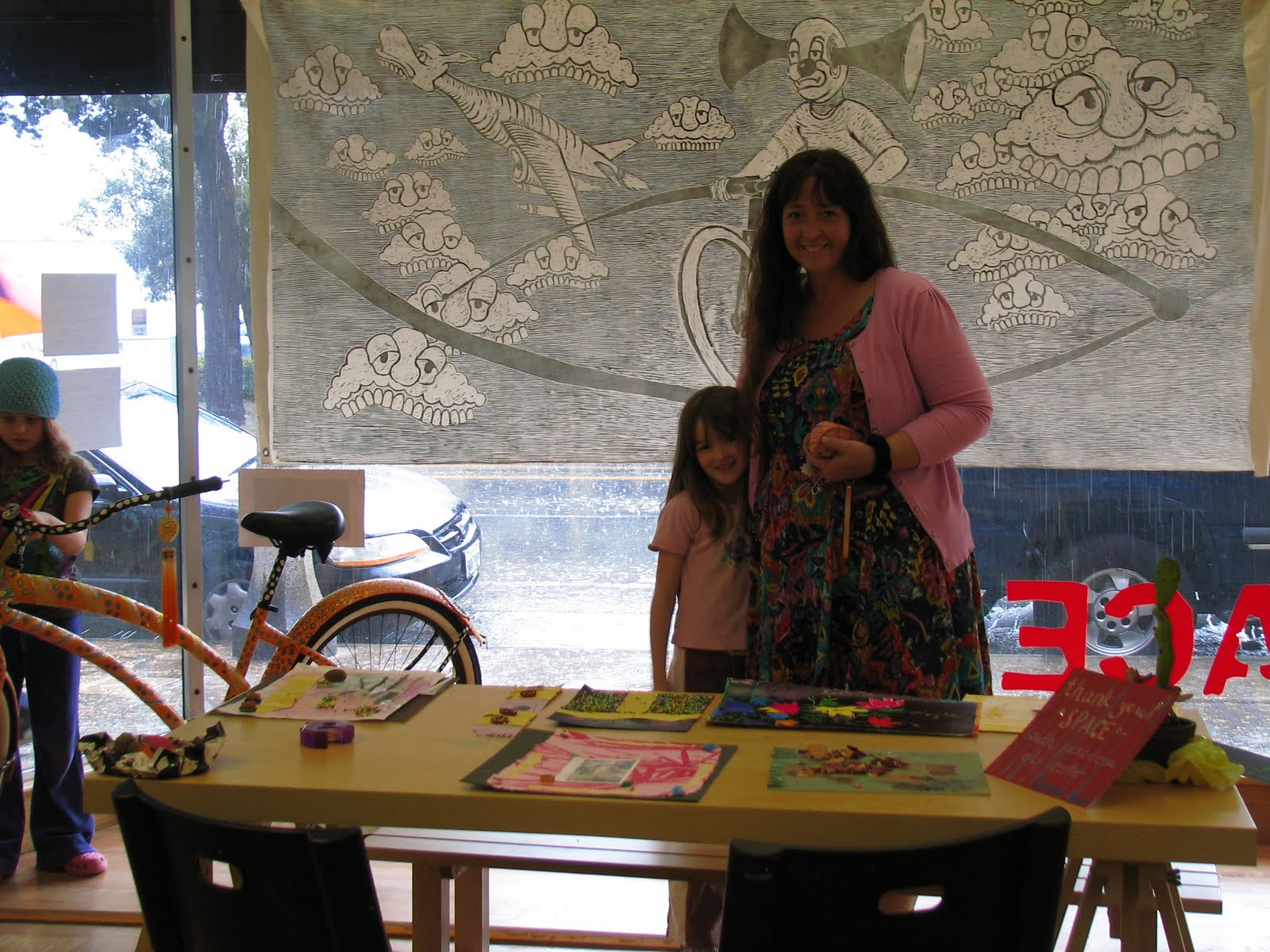
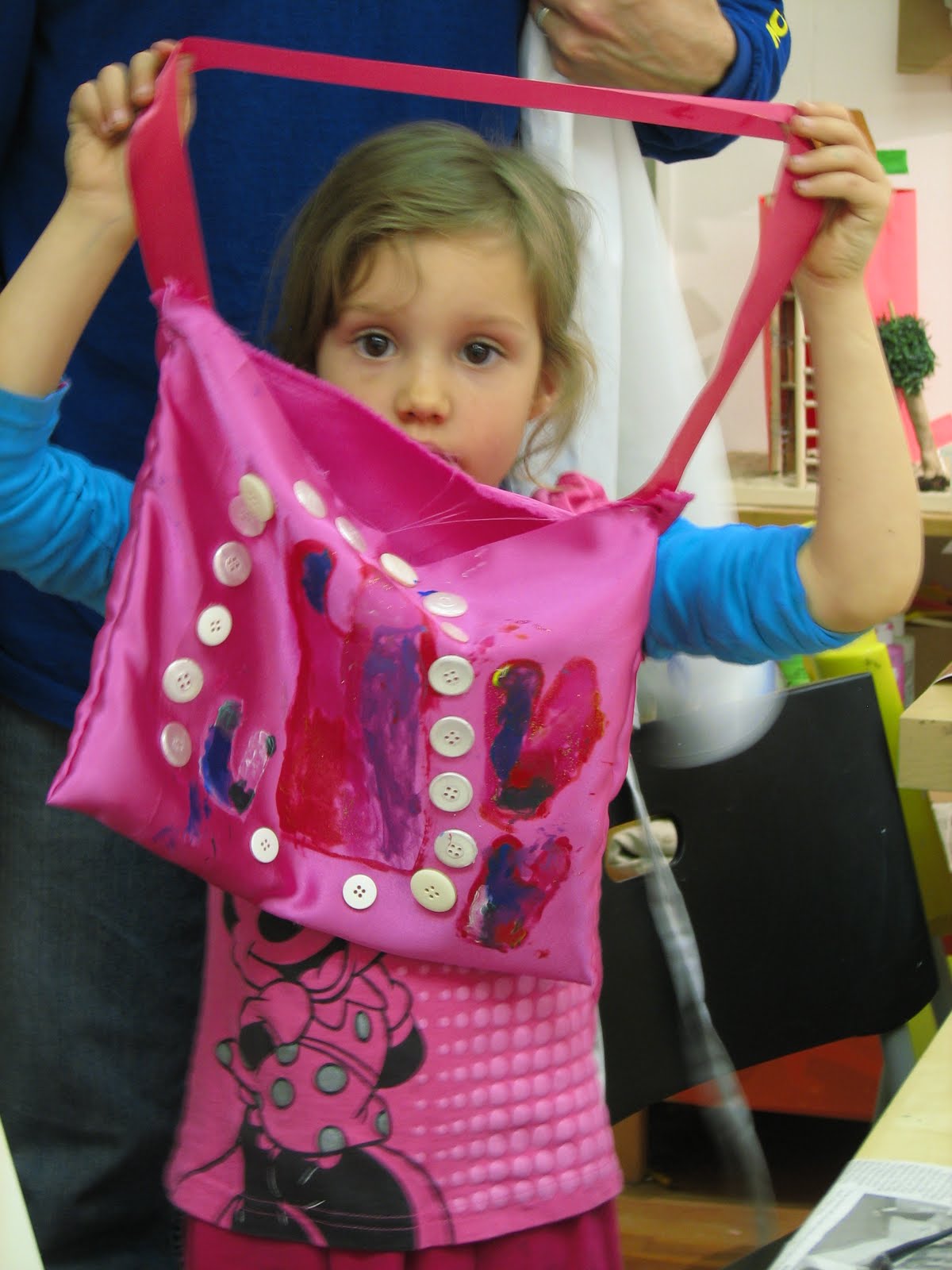
Some artsy crafty photos of our Arts Committee fundraiser last month. A big thanks to all the parents who helped organize the brunch and arts sessions. Also, thank you to Hope Perello at Space Gallery in South Pasadena. We had a blast.



Making Sushi
Just some pics of our 5/6/7th graders making asian food at a recent Cooking Kids session. There were vegetarian sushi rolls, miso soup, gado gado (a tasty Malaysian salad) and Thai banana fritters. The cooking was hard work but oh, the results! Smiles all around.


March 4, 2010
Spanky at the Stove
Friend of the Beanstalk, Steve Tedesco, shows us his 'brooklyn-in-the-kitchen' best with a great video of two Italian American classics - Pasta with clams and Chicken Scarpariello. Add a glass of wine, maybe a little bread and hey, what's not to like?
Watch Steve at http://www.youtube.com/watch?v=73yu-0lT0uY
Watch Steve at http://www.youtube.com/watch?v=73yu-0lT0uY
Earth Hour
I'm forwarding on this great message from Crist Khachikian -- Thank you Crist and definitely let's do something at OCS! Parents, get in touch with your teachers and find out how your child's classroom can celebrate Earth Hour.
"On March 27th, we will be celebrating Earth Hour. We did this last year with the kids and, for some reason, it affected us all more than Earth Day did. Here is a link to the site: https://www.myearthhour.org/. I thought this might be an interesting thing to bring to the attention of the teachers, students, and families at Odyssey...maybe we can host an activity at school (hosted and paid for by our Center)."
"On March 27th, we will be celebrating Earth Hour. We did this last year with the kids and, for some reason, it affected us all more than Earth Day did. Here is a link to the site: https://www.myearthhour.org/. I thought this might be an interesting thing to bring to the attention of the teachers, students, and families at Odyssey...maybe we can host an activity at school (hosted and paid for by our Center)."
February 28, 2010
Fallen Fruit Map of Our Neighborhood

I'm posting this on the blog right now, but will get a permanent link on the beanstalk for the future. Enjoy.
Subscribe to:
Posts (Atom)


 Posts
Posts


